Hunting has always been about providing. For many families, it still is. And some hunters bring home more deer than their families can eat. North Carolina has programs that turn that extra deer into lean, healthy protein for neighbors who need it.
How it works
According to NC State Extension, venison donation programs in North Carolina work like this:
- Hunters take deer, often with cooperation from landowners, farmers and communities that want to reduce deer damage.
- Deer go to designated, state-inspected meat processors. Using an inspected processor is what makes donated meat safe to distribute.
- Processors grind and package the venison, which is then distributed to local food security organizations like food banks and pantries.
- Processing costs are covered by membership fees, business partnerships and fundraising.
The programs
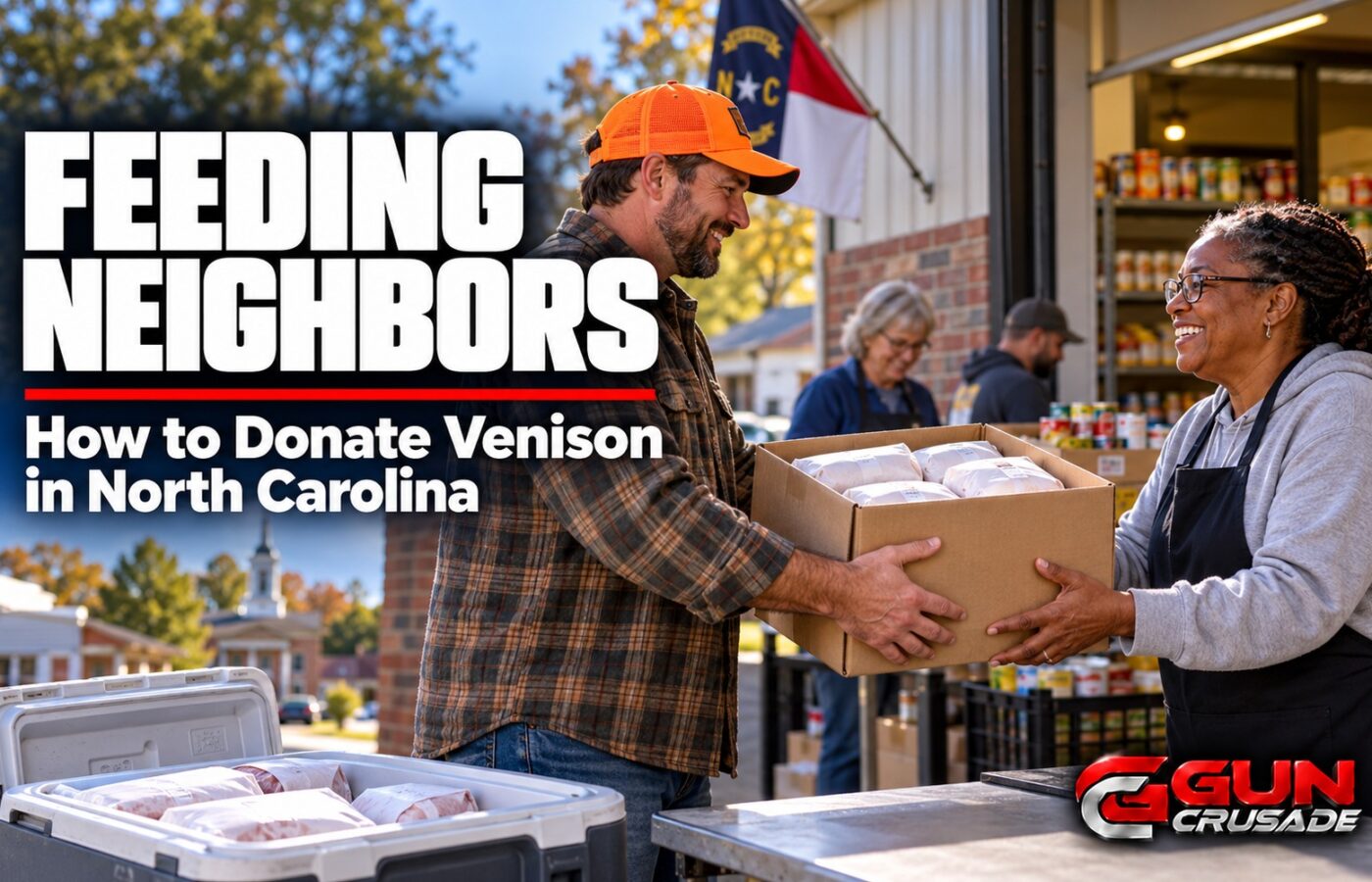
North Carolina Hunters for the Hungry (NCHFTH) is the best-known statewide effort. Extension notes that community organizations can serve as drop-off points by providing commercial refrigeration to collect deer from hunters.
Backyard Bow Pro connects vetted bowhunters with landowners and communities dealing with too many deer. Members pay a fee and complete a background check and a proficiency test.
Your local Cooperative Extension office can also connect landowners who have deer damage with participating hunters.
How to donate
1. Contact a participating program to find the nearest drop-off point or approved processor. 2. Follow tagging and reporting rules before you transport the deer. 3. Keep the deer clean and cool. Field dress it promptly and get it to the processor quickly. 4. Ask about costs. Some programs cover processing entirely; others ask hunters to help.
CWD considerations
If you hunt in a chronic wasting disease area, ask the program about its testing policy. Many processors in CWD areas participate in the state’s free testing program, and donated meat should come only from deer that test negative.
Why it matters
Venison is lean, high in protein and free of additives. One deer can provide many meals. For hunters, donating a deer is a way to keep hunting does where populations need managing while helping families in your own community.
There’s a reason so many hunters see their harvest as a blessing to be shared. Donating venison is one of the most direct ways to do it.